Install Windows 7 Over Windows 10

Installing Default Windows 7 Games in Windows 10. If you’re on Windows 8/8.1, you can still follow the instructions below and the games will work just fine 🙂. Download the zipped archive from here and extract it to a location of your choice. Now open file Win7Games-Setup.exe. Select all the games you want to install. Step 1: First step is to manually launch Windows Update on your Windows 7 or Windows 8.1 and install all available updates. As you likely know, users must be running Windows 7 SP 1 or Windows 8.1 Update to be eligible for the free Windows 10 upgrade. 1 If you’re installing Windows 7 over Windows XP, first back up your files and settings by running Windows Easy Transfer on your Windows XP computer. For best results, transfer your files and settings to a portable hard drive that’s at least as large as the drive in your Windows XP computer.
- Install Windows 7 On Windows 10 Uefi
- Install Windows 7 On Windows 10
- Install Windows 7 Over Windows 10 Lenovo
- Clean Install Windows 7 Over Windows 10
- Reinstall Windows 7 Over Windows 10
Now that Microsoft has started rolling out Windows 10 via Windows Update to PC users who have previously reserved their free upgrade, many users are still wondering why they can’t see the update on their Windows 7 and Windows 8.1 PCs yet.
Install Windows 7 On Windows 10 Uefi
Because Microsoft is rolling out Windows 10 in “waves”, not all users are getting Windows 10 update right now. Although most users should see the update in the next couple of hours, some users might need to wait for another two or three days to see the Windows 10 update.
That said, if you are running Windows 7 Service Pack 1 or Windows 8.1 Update and can’t wait for the updates to reach your computer, you will be happy to know that you can legally upgrade your Windows 7 or Windows 8.1 computer to Windows 10 right away.
This method is perfect for users who have already registered for the free upgrade, and also for those users who haven’t registered for the free upgrade but want immediately upgrade their Windows 7 and Windows 8.1 installation to Windows 10.
Upgrade Window 7/8.1 to Windows 10 right away
To upgrade your Windows 7/8.1 installation to Windows 10 right away, please complete the given below instructions.
WARNING: Although this method is safe and you can preserve your installed programs and data during the upgrade, we recommend you create backup of all important files using programs like EaseUS System GoBack (free).
We are not responsible for your data and any damage that might occur during the upgrade, which is very unlikely though.
Step 1: First step is to manually launch Windows Update on your Windows 7 or Windows 8.1 and install all available updates.
As you likely know, users must be running Windows 7 SP 1 or Windows 8.1 Update to be eligible for the free Windows 10 upgrade.
Step 2: Next, download Windows 10 Media Creation Tool from the following links:
If you’re running Windows 7/8.1 32-bit version, please download the 32-bit version of Media Creation Tool. Likewise, if the current Windows 7 or Windows 8.1 installation is 64-bit, please download the same. Note that it’s not possible to directly upgrade from 32-bit Windows 7/8.1 installation to 64-bit Windows 10.
Step 3: After downloading the Media Creation Tool, right-click on it and then click Run as administrator option.
Click Yes button when you see the UAC prompt.
Step 4: On the home screen of Media Creation Tool, select the first option labelled Upgrade this PC now, and then click Next button to begin downloading Windows 10.
Step 5: Once Windows 10 install/upgrade files are downloaded onto your PC, you’ll see the following screen.
Step 6: And when you see the following screen, click Accept button to accept the license agreement.
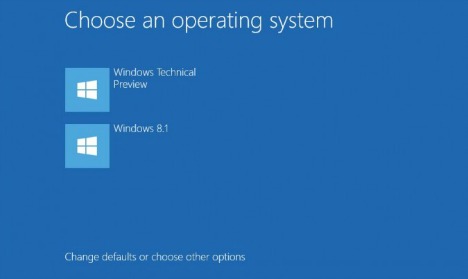
Step 7: The setup might start looking for updates again. If there are any updates, it will download available updates, and this might take few minutes to hours depending on your internet connection speed.
Step 8: Finally, when everything is ready, you will see Ready to install screen. DON’T CLICK INSTALL button yet.
Check if the setup will keep all personal files and apps. If it’s showing only Keep personal files or Keep nothing, click Change what to keep link and then select Keep personal files and apps option.
Step 9: Finally, click Install button to begin upgrading your Windows 7/8.1 to Windows 10 for free.
Hope this helps!
There are several ways to install Windows 10 on your PC, whether you’re upgrading from Windows 7 or 8, installing a new operating system from scratch, or reinstalling a fresh version of Windows 10. There are still ways to get a free Windows 10 upgrade license, too.
How to Get a Windows 10 License
RELATED:All the Ways You Can Still Upgrade to Windows 10 for Free
There are a variety of ways you can get a Windows 10 license for your PC, and many of them are still free.
- Upgrade from Windows 7 or 8: Microsoft still offers a free Windows 10 upgrade to PC users who use accessibility tools. You can also still install Windows 10 and enter a Windows 7 or 8 key in the installer to receive a free Windows 10 upgrade license. Once you’ve performed the upgrade once, your PC has a Windows 10 license forever. So, if you upgraded when Windows 10 was released and downgraded shortly after, you’re still eligible to upgrade to Windows 10 for free. A license associated with your PC is stored on Microsoft’s servers.
- Buy a new PC with Windows 10: If your PC came with Windows 10 installed, it likely has a license key embedded into its UEFI firmware. The manufacturer paid for a license and you can reinstall Windows 10 on the PC without entering the key. Windows 10’s installer will pull the key from a chip on the motherboard.
- Purchase a Windows 10 license: If you’re building your own PC and don’t yet have an operating system, you can purchase a Windows 10 license from Microsoft, just as you could with previous versions of Windows.
- Don’t get a license: You can also install Windows 10 without entering a product key. You’ll see messages telling you your Windows 10 system isn’t licensed and needs to be activated, but it will be completely usable. You can even purchase a Windows 10 license from the Store within Windows 10 to turn it into a properly licensed Windows 10 PC. This is a convenient solution for testing Windows 10 on a PC without purchasing it first.
Install Windows 7 On Windows 10
Once you know which method is going to work for you, proceed to one of the sections below to install Windows 10.
How to Upgrade to Windows 10 from Windows 7 or 8
RELATED:You Can Still Get Windows 10 for Free from Microsoft’s Accessibility Site
You can use Microsoft’s upgrade tool to install Windows 10 on your PC if you already have Windows 7 or 8.1 installed. This will also make it possible to downgrade and go back to Windows 7 or 8.1 after you perform the upgrade, if you don’t like it.
If you’re taking advantage of the the Assistive Technologies offer, just download the tool from the Assistive Technologies website and click through the wizard. It will give your PC a free Windows 10 license and install Windows 10.
The Assistive Technologies offer will expire on December 31, 2017. However, if you take advantage of the offer before then, your PC will permanently have a genuine Windows 10 license.
If you’re upgrading to Windows 10 for another reason—perhaps you’ve previously upgraded to Windows 10 on the current PC and it already has a valid license—you can use the Download Windows 10 tool. Click “Download Tool Now”, run it, and select “Upgrade this PC”. Follow the instructions on your screen to complete the upgrade process.
The tool you use will download the Windows 10 installation files and begin the installation process.
How to Get Installation Media and Do a Clean Install of Windows 10
RELATED:How to do a Clean Install of Windows 10 the Easy Way
If you don’t want to upgrade from an existing Windows installation, you can download the official Windows 10 installation media for free from Microsoft and perform a clean install. To do this, visit Microsoft’s Download Windows 10 page, click “Download Tool Now”, and run the downloaded file. Select “Create installation media for another PC”.
Be sure to select the language, edition, and architecture you want to install of Windows 10. If you’re installing it on a PC with a 64-bit CPU, you probably want the 64-bit version. If you’re installing it on a PC with a 32-bit CPU, you’ll need the 32-bit version. You can check what type of CPU your PC has if you don’t know off the top of your head.
If you’re installing Windows 10 on the current PC, just keep the “Use the recommended options for this PC” box checked and the tool will automatically download the correct version for your current PC.
The tool will allow you to copy the Windows 10 installation files to a USB drive or burn them to a DVD. If you’re using a USB drive, it must be 4 GB or larger in size. All files on the USB drive will be erased as part of this process.
If you want to install Windows 10 in a virtual machine, select the “ISO file” option here. The tool will download an ISO file, and you can then boot the downloaded ISO in a virtual machine to install Windows 10 inside it
RELATED:How to Boot Your Computer From a Disc or USB Drive
Install Windows 7 Over Windows 10 Lenovo
Once you’ve created installation media, you’ll need to insert it into the PC you want to install Windows 10 on. You then boot from the installation media. This may require modifying the boot order in your PC’s BIOS or UEFI firmware.
On the Windows Setup screen, select your language, time and currency format, and keyboard layout. Click “Next” to continue.
When you reach the installer screen, select “Install Now” and follow the instructions to install Windows 10 on your PC.
When you see the Activate Windows screen, you’ll need to either enter a key or skip it. You may not see this screen if Windows 10 automatically detects a key associated with your PC’s hardware.
- If you’ve never installed and activated Windows 10 on this computer before, enter your Windows 10 key here. If you don’t have one, but you have a valid Windows 7, 8, or 8.1 key, enter it here instead.
- If you’ve previously taken advantage of the free Windows 10 upgrade offer on this PC, click “I don’t have a product key”. Windows will automatically activate with a “digital license” associated with your PC’s hardware on Microsoft’s servers once it’s installed.
When you reach the “Which type of installation do you want?” screen, click “Custom” to perform a clean installation and remove everything on your PC. (If you’ve changed your mind and want to upgrade your existing installation, you can click “Upgrade”.)
On the next screen, select the hard drive you want to install Windows on and erase it. If you have multiple partitions on that drive, you may want to erase those as well.
Warning: When you delete a partition, you’re also deleting all the files on that partition. Be sure you have backups of any important files before doing this!
When you’re done erasing partitions, you should have a big block of “Unallocated Space”. Select that, click “New”, and once it’s formatted your drive, click Next.
Clean Install Windows 7 Over Windows 10
Windows 10 will install itself, and may restart a few times during this process. When it’s done, you’ll see the normal setup interface you see when setting up Windows 10 on any new PC, where you can add user accounts and adjust various settings.
Reinstall Windows 7 Over Windows 10
How to Reinstall Windows 10 on a PC That Already Has Windows 10
RELATED:How to Easily Reinstall Windows 10 Without the Bloatware
If you already have Windows 10 on your PC and want to perform a fresh install, you can also do that.
Windows 10’s Creators Update makes it much easier to install Windows 10 from scratch. You can use the “Fresh start” option in Windows Defender to get a completely fresh-from-Microsoft Windows 10 system. Unlike the standard Refresh and Reset options, which preserve any bloatware your PC manufacturer installed, this will wipe away all that manufacturer-installed stuff and just leave a fresh Windows 10 system.
If you don’t currently have Windows 10 installed or just prefer doing things the old-fashioned way, you can also use the Download Windows 10 application to create Windows 10 installation media and reinstall from scratch, if you prefer. Whether your PC came with a Windows 10 license or you previously took advantage of the free upgrade offer, you won’t need to enter a license key during this process. Your Windows 10 license will be automatically acquired from your PC’s hardware or via Microsoft’s servers.
READ NEXT- › What Is Patch Tuesday for Windows, and When Is It?
- › How to Disable Interactive Pop-Up Ads on Your Roku TV
- › What’s New in macOS 10.15 Catalina, Available Now
- › How to Copy and Back Up Files To External Storage on iPhone and iPad
- › Everything You Need to Know About Co-Authoring in Excel